
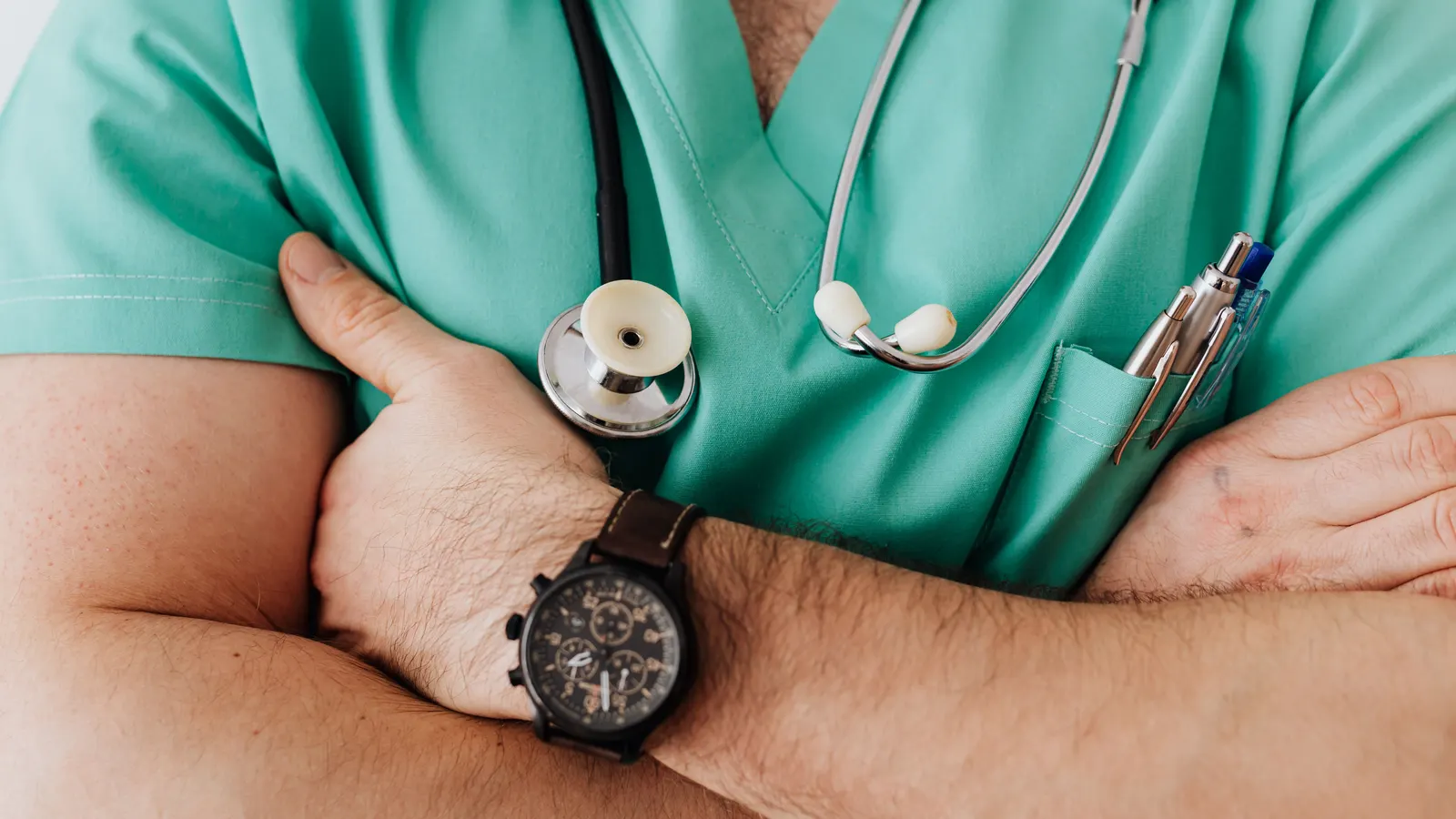
A practical guide to the three-way choice between your own practice, an urgent care center and the emergency department — and what each one actually costs you.
The decision is usually made under pressure, often in the evening, and almost always without good information. So here it is in advance.
Call 911 or go to the emergency department
This one is not a judgment call, and no article should make you hesitate. Go immediately for any of the following:
- Chest pain or pressure, particularly with sweating, nausea or pain radiating to the arm or jaw
- Difficulty breathing
- Sudden weakness or numbness on one side of the body, facial droop, or trouble speaking
- Sudden severe headache unlike any you have had before
- A severe head injury, or any head injury with confusion or loss of consciousness
- Uncontrolled bleeding
- Sudden loss of vision
Call us first
For everything that is not on the list above but should not wait a fortnight, your own practice is usually the better first call — and very often the cheaper one. We routinely see the same conditions urgent care centers do:
- Fever or flu
- Severe sore throat or cough
- Urinary tract infections
- Skin rashes and infections
- Sprains and strains
- Moderate back problems
- Vomiting, diarrhea or dehydration
Why calling us first is usually better
Three reasons. First, we already have your history — the medications you take, the conditions you carry, what was going on the last time something similar happened. An urgent care clinician meets you cold.
Second, we can often do the relevant test here: influenza and COVID testing, urine dipstick, blood glucose, EKG, spirometry and lab draws are all available on site.
Third, cost. Using your own practice avoids the long waits and the substantially larger bills that come with urgent care centers and emergency departments.
And if we cannot help
We will tell you plainly and point you to the right place. A two-minute phone call that ends in go to the emergency department is still a useful phone call — and it is a great deal better than the alternative, which is sitting at home hoping it passes.
General information only. This article is patient education and does not constitute medical advice, diagnosis or treatment for any individual. Your own situation deserves a proper consultation — please speak to your physician before acting on anything you read here. In an emergency, call 911.